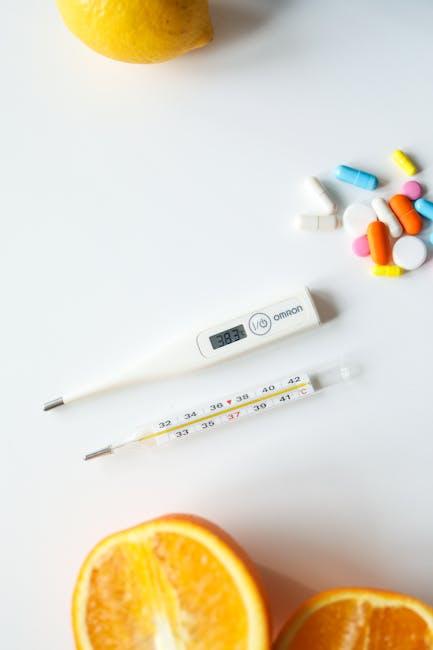

The Best Vitamins and Minerals for Boosting Immunity! In today’s fast-paced world, maintaining a strong immune system is more crucial than ever With the right vitamins and minerals, you can give your body the support it needs to fend off illnesses and keep you feeling your best. This article will guide you through the essential nutrients that play a pivotal role in fortifying your immune system, such as vitamin C, zinc, and vitamin D, alongside guidelines on how to incorporate these into your daily routine.
As you navigate through the information, we’ll explore the science behind each nutrient, appetizing food sources to try, and practical tips for enhancing your overall health. So, whether you’re looking to boost your immunity naturally or are just curious about how vitamins and minerals can transform your wellness journey, you’re in the right place!
If you find this information helpful, consider joining our newsletter for more health tips and updates. Your support goes a long way—donations help us continue providing valuable content for you and others on their health journeys!
Table Of Contents
- - Discover Essential Vitamins That Strengthen Your Immune System
- – The Role of minerals in Boosting natural Immunity
- – Top Food Sources for Immunity-Enhancing Nutrients
- – Simple Strategies to Incorporate Immune-Boosting Vitamins and Minerals into Your Diet
- – How to Choose the Right Supplements for Optimal Immune Health
- Frequently Asked Questions (FAQ)
- Final thoughts
– Discover Essential Vitamins That Strengthen Your Immune System
In your quest for a robust immune system, essential vitamins play a pivotal role. They not only fortify your body’s defenses but also support overall wellness. Understanding which vitamins can optimize your immunity can be the game changer you need. Notably, Vitamin C, Vitamin D, and Vitamin E are among the heavyweights in this arena. These vitamins work synergistically to enhance the activity of immune cells, ensuring your body responds efficiently to pathogens.
To give you a clearer picture, let’s break down these key vitamins:
- Vitamin C: Known for its antioxidant properties, Vitamin C boosts the production of white blood cells, essential for fighting infections. Just one orange contains about 70 mg of this powerhouse.
- Vitamin D: Often called the sunshine vitamin, vitamin D is crucial for immune modulation and can reduce the risk of respiratory infections. Studies show that those with sufficient vitamin D levels have a significantly lower incidence of severe illnesses.
- vitamin E: This antioxidant supports immune function and helps maintain optimal cellular function. A handful of almonds can provide you with around 7.3 mg of vitamin E.
Incorporating these vitamins into your daily routine is easier than you think! Aim to source them from a variety of foods. Citrus fruits, fatty fish, nuts, and leafy greens should become staples in your diet. If you’re considering supplements, it’s wise to consult a healthcare provider to tailor the right plan for you. By prioritizing these essential vitamins, you’re not just prepping your immune system for the next cold season; you’re investing in long-term health! For more tips on boosting your immunity naturally, don’t forget to subscribe to our newsletter and share these insights with friends and family.
Download YouTube Growth—FREE!

– The Role of Minerals in Boosting Natural Immunity
Ever wondered why your grandmother always emphasized the importance of eating your greens? It’s as crucial minerals play a vital role in enhancing your immune system. Essential minerals like zinc, selenium, and magnesium not only support your body’s defenses but also assist in the repair of cells and the production of antibodies that fight off infections. Let’s take a closer look at some key minerals and how they recharge your immunity.
Zinc is one of the unsung heroes of immune health. Found abundantly in shellfish, beans, nuts, and whole grains, zinc helps in the advancement and function of immune cells. A deficiency in zinc can make you more susceptible to illness, with studies showing that adequate zinc intake can shorten the duration of colds by up to 33%. Incorporating zinc-rich foods into your meals can be as simple as snacking on pumpkin seeds or enjoying a hearty serving of chickpeas.
Selenium is another powerhouse mineral that aids your immune system. This trace mineral, which you can find in Brazil nuts, fish, and eggs, is known for its antioxidant properties, helping to combat inflammation and infection. Research indicates that adequate selenium levels can increase the number of virus-fighting T-cells in the body. You can easily boost your intake by adding a few Brazil nuts to your daily snack routine—a small amount goes a long way!
Magnesium contributes to a healthy immune response by maintaining normal muscle and nerve function, as well as strengthening the barriers that your body uses to prevent pathogens from entering. Foods high in magnesium include leafy greens, nuts, seeds, and whole grains. Consider a smoothie packed with spinach or sprinkle nuts into your yogurt; it’s a delicious way to fuel your immune system.
With this knowledge in hand, it’s time to take action. Start assessing your diet to ensure you’re getting enough of these vital minerals. If you’re unsure about your current levels, consider discussing this with your healthcare provider. Boosting your immunity is just a few meals away! Want to dive deeper into the vitamins that complement these minerals? Check out our related articles and subscribe to our newsletter for more health tips!
– Top Food Sources for Immunity-Enhancing Nutrients
Building a robust immune system goes beyond just taking vitamins; it starts with what’s on your plate. Including foods rich in immunity-enhancing nutrients can significantly support your body’s defenses. To help you navigate the world of nutrition, here are some top food sources packed with the essential vitamins and minerals your immune system craves.
- Citrus Fruits: Oranges, lemons, and grapefruits are chock-full of vitamin C. Just one medium orange can provide about 65 mg of vitamin C, which is vital for your immune function.
- Leafy Greens: Spinach, kale, and Swiss chard are not only high in antioxidants but also packed with vitamins A and C. These nutrients help in the maintenance of mucosal barriers, which are your body’s first line of defense.
- Nuts and seeds: Almonds and pumpkin seeds are rich in vitamin E and zinc. Just a handful of almonds gives you nearly 50% of your daily requirement of vitamin E, crucial for immune health.
- Fatty Fish: Salmon and mackerel are excellent sources of omega-3 fatty acids. These healthy fats can definitely help reduce inflammation and enhance disease-fighting capability.
In addition to these specific food groups, don’t forget about the power of probiotics found in yogurt and fermented foods. Probiotics help balance your gut microbiota, which is essential for a well-functioning immune system. Incorporating a varied diet ensures that you’re giving your body a full spectrum of nutrients it needs to thrive. Remember, it’s not just about eating healthy foods but eating a variety of them! If you want to make a lasting change, consider planning your meals around these nutrient-rich options.
Curious about how to incorporate these foods into your daily routine? Start simple! Add a handful of spinach to your morning smoothie, enjoy a citrus salad, or snack on a mix of nuts. To dive deeper into nutrition and discover more ways to boost your immunity, check out our related articles or subscribe to our newsletter. Let’s take this journey towards better health together!
– Simple Strategies to Incorporate Immune-Boosting Vitamins and Minerals into Your Diet
Incorporating immune-boosting vitamins and minerals into your daily routine doesn’t have to be overwhelming. Actually, small, manageable changes can significantly enhance your diet and support your immune system. Begin your journey by focusing on whole foods rich in essential nutrients. As an example, citrus fruits like oranges and grapefruits are bursting with vitamin C, while leafy greens, such as spinach and kale, provide a wealth of vitamins A and K. Consider adding these foods to your breakfast smoothies or salads to kickstart your day.
- Snack Smart: Choose almonds or sunflower seeds for a healthy snack packed with vitamin E and zinc.
- Add Color: Include a variety of colorful vegetables like bell peppers, carrots, and beets in your meals; they offer a range of antioxidants.
- Embrace Ferments: Incorporate probiotic-rich foods such as yogurt or fermented vegetables to bolster gut health, which is closely linked to immunity.
Don’t forget about quality hydration! Drinking plenty of water helps your body transport these vital nutrients effectively and flush out toxins. Try infusion methods by adding slices of lemon or cucumber to your water for an extra boost of vitamins. Moreover, consider supplementation if you’re not getting enough from your diet. Speak with a healthcare provider about options like vitamin D or zinc supplements, especially during seasons when sunlight and fresh produce may be limited. Combining these dietary strategies not only enhances immunity but also cultivates a diverse and enjoyable eating experience!
– How to Choose the Right Supplements for Optimal Immune Health
Choosing the right supplements for your immune health can feel overwhelming with the plethora of options available. To navigate this landscape effectively, start by determining your specific needs. Think about factors like your diet, lifestyle, and any pre-existing health conditions. For instance, if you’re a vegetarian, you might need to look into vitamin B12 supplements, which are primarily found in animal products. A simple blood test can provide insights into deficiencies, helping you to tailor your supplement choices to what your body truly requires.
When selecting supplements, quality matters. Look for products that have been tested by third parties for purity and potency. Certifications from organizations like NSF International or the U.S. Pharmacopeial Convention (USP) can give you confidence in a product’s quality. Additionally, consider these tips:
- Check the labels for proper dosage and make sure to follow it.
- Avoid supplements with artificial fillers or unnecessary additives.
- Research the brand’s reputation and read consumer reviews.
Remember that supplements should complement a healthy lifestyle, not replace it. A strong immune system relies on a balanced diet rich in fruits, vegetables, whole grains, and adequate hydration Moreover, incorporating healthy habits like regular exercise, sufficient sleep, and stress management can significantly enhance your immune function. To learn more about specific vitamins and minerals that support immunity, check out our comprehensive guides on the best vitamins for immune health and essential minerals. Don’t forget to subscribe to our newsletter for the latest tips in health and wellness!
Frequently Asked Questions (FAQ)
What vitamins are essential for supporting the immune system?
Several vitamins play critical roles in bolstering the immune system. Key vitamins include:
- Vitamin C: Known for its antioxidant properties,it helps stimulate the production of white blood cells.
- Vitamin D: This vitamin improves the pathogen-fighting effects of monocytes and macrophages — white blood cells that are significant for immune defense.
- Vitamin A: Vital for maintaining the protective barriers of the body, such as the skin and mucous membranes.
- Vitamin E: An antioxidant that helps combat oxidative stress, which can weaken immune function.
Incorporating foods rich in these vitamins can significantly enhance your immune health.
How do minerals like zinc and selenium contribute to immunity?
Zinc and selenium are trace minerals that play crucial roles in immune function:
- zinc: Essential for the development and function of immune cells, including T-cells. A deficiency can lead to a weakened immune response.
- Selenium: Acts as an antioxidant, helping to protect immune cells from oxidative damage. It also enhances the effectiveness of vaccines.
Including foods such as nuts, seeds, grains, and protein sources can help ensure adequate intake of these important minerals.
can taking supplements replace a healthy diet for boosting immunity?
While supplements can help fill gaps in nutrition, they should not replace a balanced diet. Whole foods provide a variety of vitamins,minerals,and antioxidants that work synergistically to support overall health. It’s best to aim for:
- A colorful plate filled with fruits and vegetables.
- lean proteins, healthy fats, and whole grains.
If you’re considering supplements,consult a healthcare provider for personalized recommendations based on your dietary needs.
Are there specific foods that are notably effective for enhancing immunity?
Absolutely! some foods are renowned for their immune-boosting properties. consider adding the following to your diet:
- Citrus fruits: Rich in vitamin C.
- Garlic: Contains compounds that enhance immune function.
- Ginger: Known for its anti-inflammatory and antioxidant benefits.
- Yogurt: Packed with probiotics, which support gut health and immunity.
by incorporating these foods regularly, you can definitely help strengthen your body’s immune response.
How much of these vitamins and minerals do I need daily?
The recommended daily allowances (RDAs) for vitamins and minerals vary by age, sex, and life stage. Here are some general guidelines:
- Vitamin C: 75 mg for women, 90 mg for men.
- vitamin D: 600 IU for adults up to 70 years.
- Zinc: 8 mg for women, 11 mg for men.
- Selenium: 55 mcg for adults.
It’s crucial to tailor your intake based on your specific circumstances or consult a nutritionist for personalized guidance.
Is it safe to take multiple vitamins and minerals at the same time?
In most cases, it is safe to take multiple vitamins and minerals simultaneously; however, some combinations can interfere with absorption. As an example:
- Calcium can hinder zinc absorption.
- Iron supplements can affect the absorption of elements like zinc and copper.
To optimize absorption, consider taking supplements spaced apart throughout the day. Always consult with a healthcare professional before beginning any new supplement regimen, especially if you have pre-existing conditions or are taking medications.
Final Thoughts
As we’ve explored throughout this article, nourishing your immune system with the right vitamins and minerals is not just a health trend; it’s a crucial foundation for overall well-being. By incorporating key players like vitamin C, D, zinc, and probiotics into your daily routine, you’re not just defending your body against germs; you’re empowering yourself to thrive. Remember, a strong immune system can enhance your energy, support cellular function, and improve your body’s ability to respond to challenges.
Now that you’re equipped with this knowledge, it’s time to take action! If you’re ready to dive deeper, check out our related articles for tips on integrating these nutrients into your diet, or sign up for our newsletter to receive expert health insights delivered straight to your inbox. And for those eager to boost their immunity today, explore our curated selection of high-quality vitamins and supplements designed just for you.
Your health journey is just beginning, and every small step counts. Let’s embrace this path together—because when it comes to your health, you deserve nothing less than exceptional.